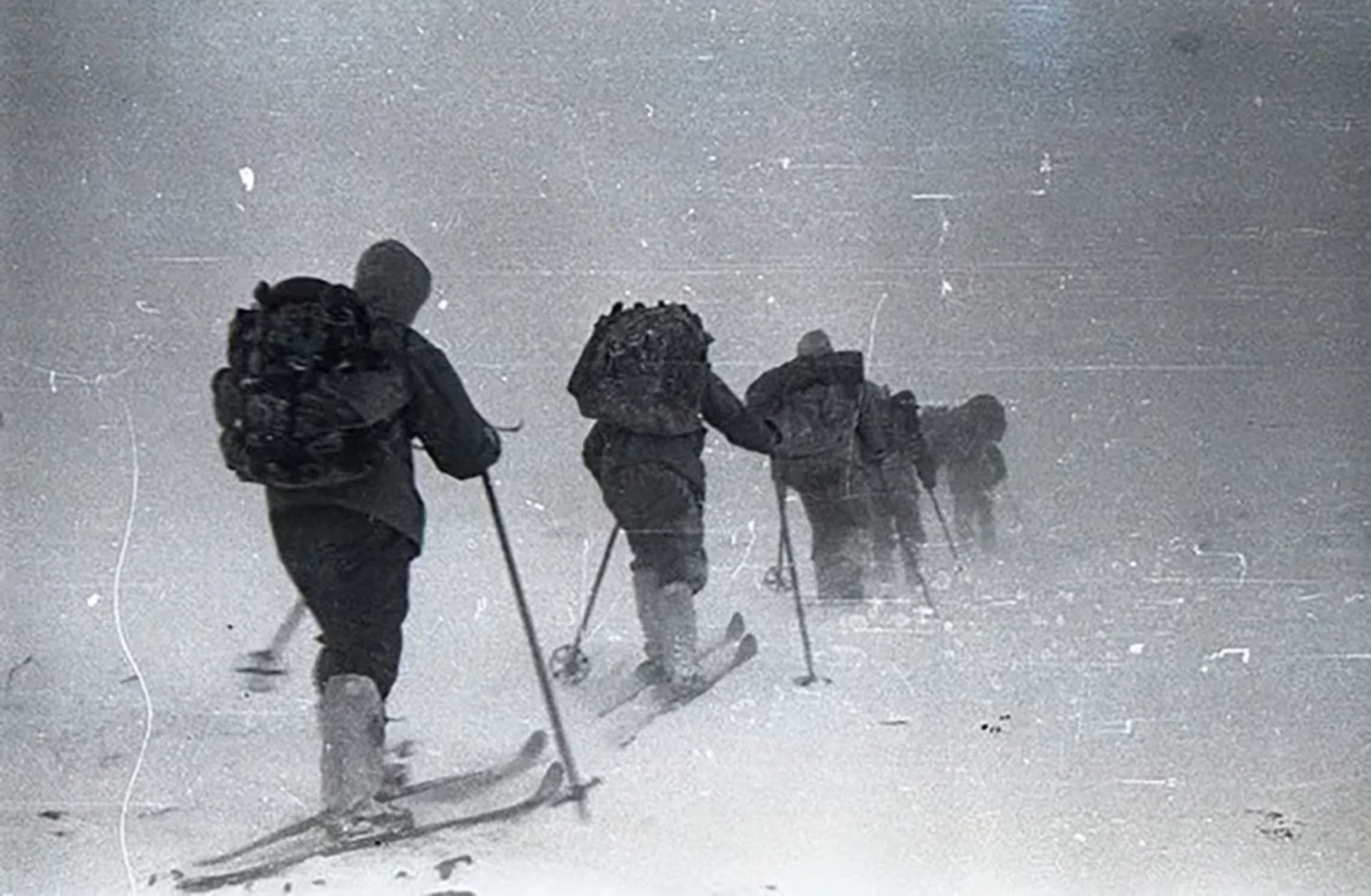
In February 1959, nine experienced hikers ventured into the northern Ural Mountains of the Soviet Union. They were young, skilled, and prepared for extreme winter conditions. None of them returned. What rescuers found weeks later turned the Dyatlov Pass Incident into one of the most chilling mysteries of the 20th century.
The group, led by 23-year-old Igor Dyatlov, had pitched their tent on the slope of Kholat Syakhl—a mountain ominously nicknamed “Dead Mountain” by the indigenous Mansi people. When search teams arrived, the tent was discovered slashed open from the inside. Boots, coats, and supplies were left behind, despite temperatures dropping below –30°C.
The hikers’ bodies were scattered across the snow-covered landscape.
Some were barefoot.
Some were partially dressed.
Some had injuries so severe they resembled those from a car crash.
Yet there were no signs of a struggle.
The Disturbing Details
Autopsies revealed baffling contradictions. Several hikers died from hypothermia, which made sense given the conditions. But others suffered crushed skulls and broken ribs—without external wounds. One woman was missing her tongue and eyes. Traces of radiation were found on some clothing.
No avalanche debris was present.
No animal tracks were found.
No clear explanation fit all the evidence.
The Soviet investigation abruptly concluded that the hikers died due to “a compelling natural force,” then sealed the case files.
That vague phrase only fueled speculation.
Theories That Refuse to Die
Over the decades, explanations have ranged from secret military tests and UFO encounters to infrasound-induced panic and paranormal forces. Some blamed experimental weapons. Others suggested the hikers were silenced after witnessing something classified.
More recently, a delayed slab avalanche theory gained traction. According to this idea, a small, delayed avalanche could have forced the hikers to flee their tent in panic, causing fatal injuries later as they succumbed to the cold.
But even this explanation doesn’t fully account for radiation, missing body parts, or the sheer terror implied by their actions.
Why It Still Haunts Us
The Dyatlov Pass Incident isn’t just about how nine people died. It’s about how rational explanations collapse when faced with incomplete evidence. Every theory answers some questions and leaves others disturbingly open.
More than 60 years later, the frozen silence of Dyatlov Pass still asks the same question:
What could drive experienced hikers to tear their way out of safety—and into certain death?