
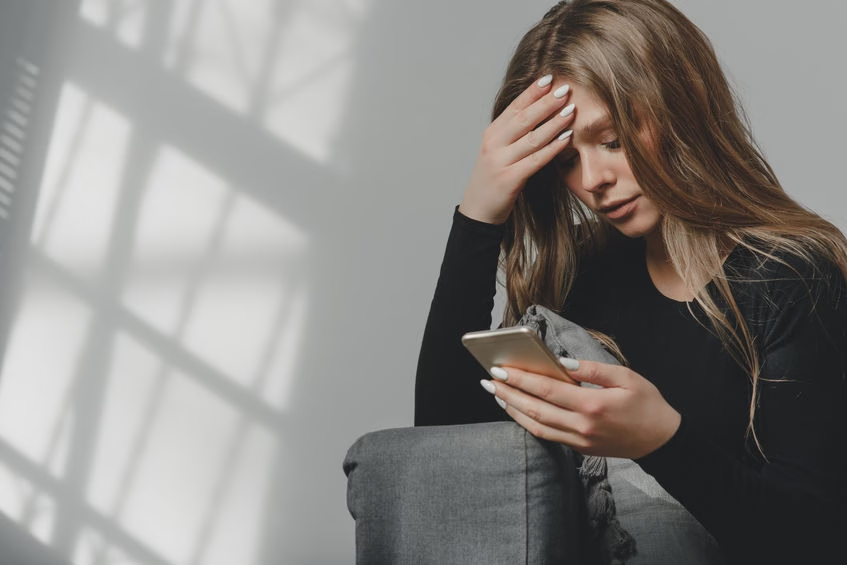
Social media has become an integral part of everyday life. Platforms such as Instagram, Facebook, X (formerly Twitter), Snapchat, and TikTok shape how people communicate, express themselves, and perceive the world. While social media offers opportunities for connection, creativity, and information sharing, it also has a profound impact on mental health. Its influence can be both positive and negative, depending on how it is used and the individual engaging with it.
The Rise of a Digitally Connected Society
Over the past decade, social media has transformed human interaction. People now maintain friendships, build careers, and consume news primarily through digital platforms. This constant connectivity has reshaped social norms and expectations, making online presence a central part of identity—especially for young people.
However, the pressure to remain connected and responsive can be overwhelming. Notifications, likes, comments, and messages create a cycle of constant engagement that leaves little room for mental rest. Over time, this environment can contribute to emotional exhaustion and stress.
Positive Effects of Social Media on Mental Health
Despite its challenges, social media has several mental health benefits when used mindfully. One of its most substantial advantages is connection. People can stay in touch with friends and family across distances, reducing feelings of isolation. Online communities also provide support for individuals dealing with mental health issues, chronic illnesses, or life challenges.
Social media has helped normalize conversations around mental health. Many users share personal stories about anxiety, depression, and recovery, helping reduce stigma. Access to educational content, therapy resources, and self-help tools has increased awareness and encouraged people to seek help.
Additionally, creative expression through photography, video, writing, and art allows individuals to articulate emotions and find validation. For some, social media becomes a platform for empowerment and self-discovery.
The Dark Side: Anxiety, Depression, and Low Self-Esteem
While social media can connect people, it can also contribute to mental health struggles. One of the most common issues is the tendency to compare. Users are often exposed to carefully curated images of success, beauty, and happiness, which can create unrealistic standards. Comparing one’s real life to these idealized portrayals usually leads to feelings of inadequacy and low self-worth.
Studies have linked excessive social media use with higher levels of anxiety and depression. Constant exposure to others’ achievements, lifestyles, and opinions can increase self-doubt and fear of missing out (FOMO). Over time, this emotional strain may develop into chronic anxiety or depressive symptoms.
Impact of Social Media on Self-Image
Social media platforms emphasize visual content, particularly photos and videos, which can heavily influence body image and self-perception. Filters, editing tools, and beauty trends create distorted standards of appearance. For adolescents and young adults, this can lead to body dissatisfaction, eating disorders, and negative self-image.
The desire for likes and approval can make self-worth dependent on online validation. When posts receive fewer likes or comments, users may experience disappointment, rejection, or self-criticism, reinforcing unhealthy emotional patterns.
Cyberbullying and Online Harassment
Another serious mental health concern is cyberbullying. Unlike traditional bullying, online harassment can occur at any time and reach a broad audience. Hurtful comments, trolling, and public shaming profoundly affect emotional well-being.
Victims of cyberbullying often experience anxiety, depression, loneliness, and, in severe cases, suicidal thoughts. The anonymity of the internet can embolden harmful behavior, making social media a dangerous environment for vulnerable users.
Sleep Disruption and Digital Addiction
Excessive social media use can disrupt sleep patterns. Late-night scrolling exposes users to blue light, which suppresses melatonin production and impairs sleep quality. Poor sleep is closely linked to mood disorders, reduced concentration, and increased stress.
Social media is also designed to be addictive. Endless scrolling, notifications, and algorithm-driven content keep users engaged longer than intended. This digital dependency can reduce real-world interactions, productivity, and emotional balance.
The Role of Algorithms and Misinformation
Social media algorithms prioritize content that generates engagement, often favoring emotionally charged or sensational posts. Negative news, controversial topics, and alarming headlines can increase stress and anxiety, especially during global crises.
Misinformation and unrealistic portrayals of life can distort reality, shaping perceptions and emotions. When users are constantly exposed to harmful or misleading content, their mental health can suffer.
Building Healthier Social Media Habits
Managing the influence of social media on mental health requires conscious effort. Simple steps can make a significant difference:
- Setting time limits for daily usage
- Curating feeds to follow positive and informative content
- Taking regular digital breaks
- Avoiding comparison and focusing on real-life achievements
- Engaging in offline activities such as exercise, hobbies, and social interactions
Practicing mindfulness while using social media helps maintain emotional balance.
Conclusion
Social media is a powerful tool that shapes modern mental health in complex ways. While it offers connection, support, and awareness, it also presents challenges such as anxiety, comparison, and emotional burnout. The key lies in mindful usage and self-awareness.
By understanding the influence of social media and developing healthier digital habits, individuals can benefit from it while protecting their mental well-being. In an increasingly digital world, mental health must remain a priority—both online and offline.